
RV Winterization: Protect Your Investment Before the Cold Hits
When temperatures start to drop, RV owners across the country begin preparing their rigs for winter storage or cold-weather travel. Whether you’re a weekend adventurer or a full-time traveler, properly winterizing your RV is one of the most important maintenance steps you can take. When RV winterization is done right, it protects your plumbing, appliances, and interior from costly damage caused by freezing temperatures — and it ensures your RV is ready to hit the road again when spring arrives.
Why Winterization Matters
RV systems are designed for comfort and mobility, but they’re also vulnerable to the elements. When water freezes, it expands, and that can wreak havoc on your plumbing lines, fittings, faucets, and tanks. A single freeze-up can cause cracks or burst pipes that lead to thousands of dollars in repairs.
Beyond plumbing, neglecting winterization can also affect your water heater, pump, and even the structural integrity of your RV. Moisture buildup, rodents seeking warmth, and untreated tanks can all cause damage that shortens your RV’s lifespan and impacts resale value.
Top Things to Consider When Winterizing Your RV
Drain and Flush All Water Systems
Start by completely draining your fresh water, gray water, and black water tanks. Use an RV-safe antifreeze or blow out water lines with compressed air. This will remove any remaining water from the pipes. Don’t forget the water heater and low-point drains!Protect the Water Heater and Pump
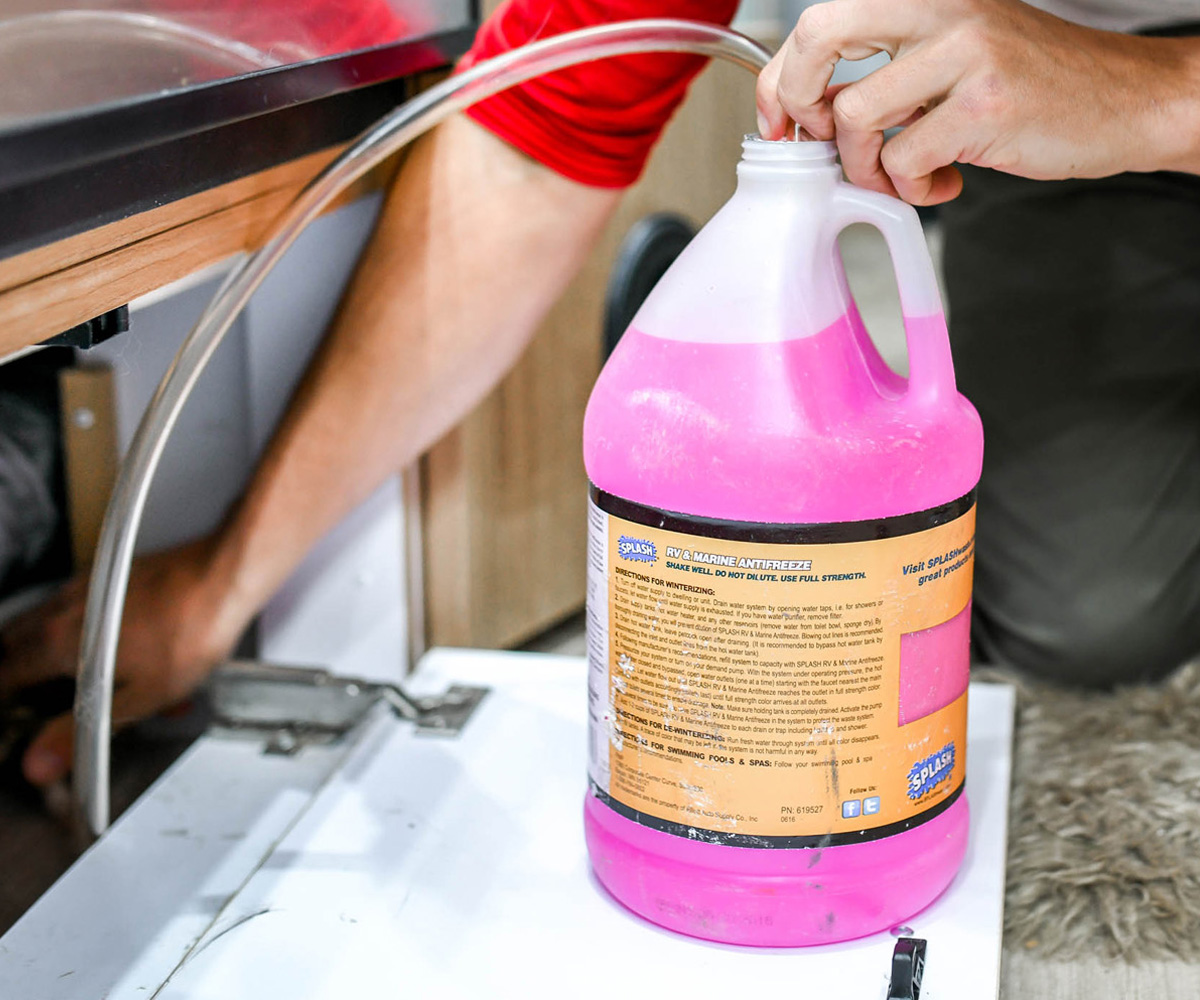
Bypass the water heater before adding antifreeze — you don’t want to fill the entire 6–10 gallons with it. Run antifreeze through your water pump and all faucets until you see the pink fluid, ensuring every line is protected.Seal and Inspect Openings
Check all seals, roof vents, and windows for cracks or gaps where moisture or pests could enter. A simple inspection can prevent major headaches during the off-season.Take Care of the Batteries
Fully charge your batteries, disconnect them, and store them in a cool, dry place. Freezing temperatures can cause batteries to lose charge faster and even crack their casings.Clean and Deodorize Tanks and Interior
Sanitize holding tanks, empty the refrigerator, and clean every surface to prevent mold, odors, and pests. Leave refrigerator doors slightly open to allow airflow.Cover and Store Properly
If possible, store your RV under cover or use a breathable RV cover designed for your model. Avoid using tarps that trap moisture. Proper ventilation prevents condensation and mold growth.Check Tires and Stabilizers
Inflate your tires to the recommended pressure and, if stored long-term, use tire covers or blocks to prevent flat spots and UV damage.
DIY or Professional Help?
Many RV owners take pride in doing their own winterization, but even experienced travelers can overlook critical steps — especially when juggling different systems or climates. Hiring a professional RV technician ensures every line, fitting, and valve is handled correctly. It’s a small investment that can save you from major repair costs and start-up surprises in the spring.
Final Thoughts
Proper winterization isn’t just about preventing freeze damage — it’s about preserving your RV’s value and longevity. Taking the time (or scheduling a professional service) ensures your home on wheels stays in great shape year after year.
If you’re unsure about the process or want peace of mind that it’s done right, schedule a mobile RV winterization service today. We will come to you — whether at home, storage, or campground — and make sure your RV is protected for the cold months ahead.