
Mobile RV Propane Repair
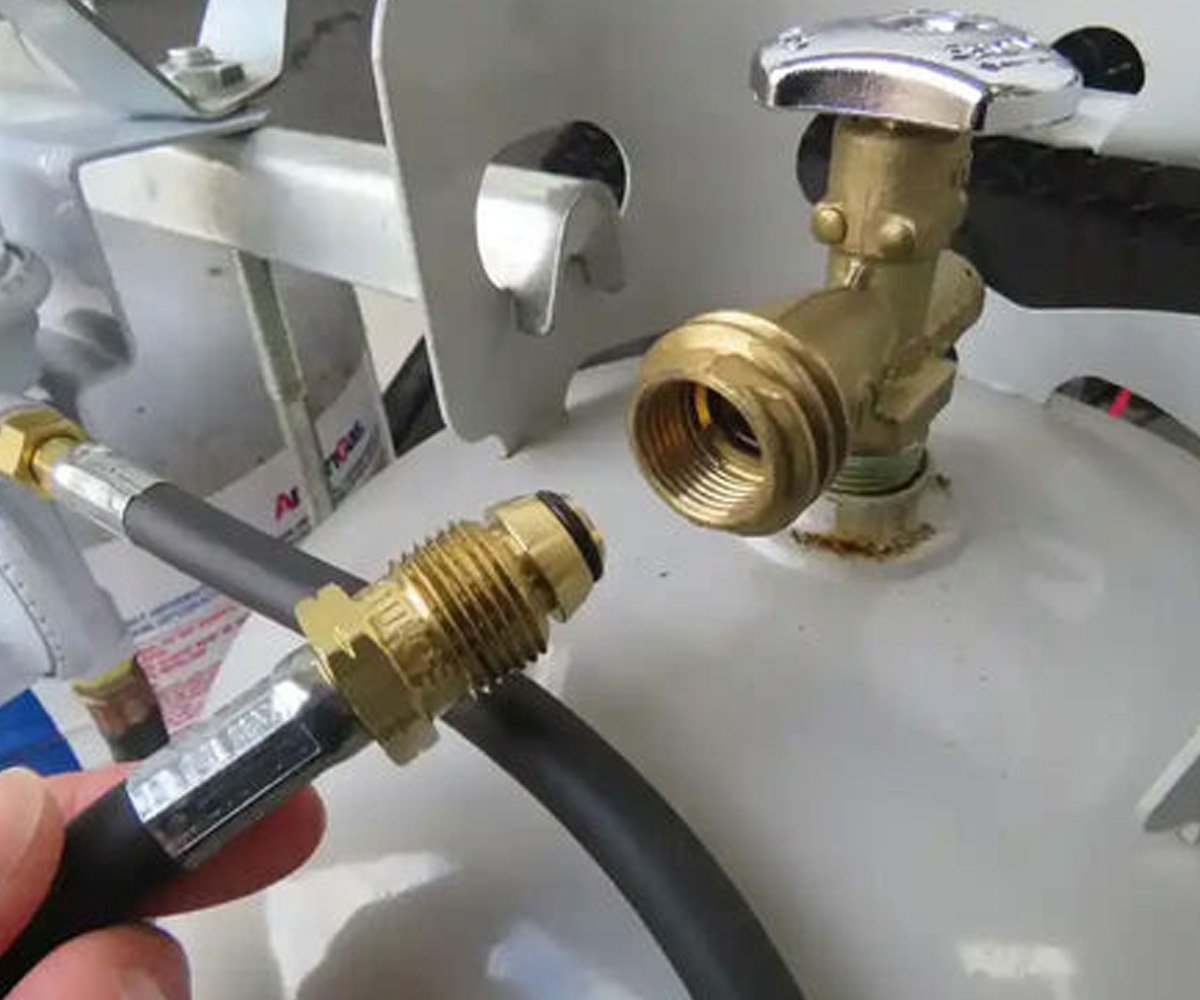
We provide mobile RV propane maintenance and repair of the propane system in a recreational vehicle (RV). Propane is a crucial energy source for many RV appliances, such as the stove, furnace, refrigerator, water heater, and even the generator. Keeping the propane system in good working order is essential for safety and efficiency during RV use. Over time, components such as propane tanks, regulators, lines, and appliances can wear out, require cleaning, or develop faults that need attention.
Common Components of an RV Propane System:
- Propane Tanks: The storage containers that hold the liquid propane.
- Propane Regulator: Regulates the flow and pressure of propane gas to the appliances.
- Propane Lines: The piping or hoses that carry propane from the tank to the various appliances in the RV.
- Appliances: Devices like stoves, refrigerators, water heaters, and furnaces that run on propane.
- Shutoff Valves: Devices that control the flow of propane to the appliances or the entire system.
- Safety Features: Includes items like the leak detection system, pressure relief valve, and excess flow valve.
Routine RV Propane Maintenance Tips:
- Inspect the Tank and Connections:
- Regularly check the propane tank for signs of wear, rust, or damage. Make sure all connections are tight and free of leaks.
- Test for Leaks:
- Periodically perform a leak test using a soapy water solution to check for leaks around the tank, regulator, and connections. If you see bubbles forming, there’s a leak.
- Clean the Appliances:
- Clean the burners and appliance surfaces to ensure that propane is flowing properly and to avoid clogging. Dirt and grease can interfere with proper combustion.
- Check the Regulator:
- Replace the propane regulator every 5-7 years or if it shows signs of wear or damage. This ensures your system is receiving the right amount of pressure and gas flow.
- Refill Propane Tank Before It’s Empty:
- To avoid running out of propane unexpectedly, refill the tank when it’s about 20-30% full.
- Check for Odors:
- If you notice the strong odor of propane (a rotten egg smell), turn off the propane immediately and check for leaks. This is the most obvious sign of a potential problem with the system.
- Store Your Propane Tank Safely:
- If you’re not using your RV for a while, make sure the propane tank is stored in a cool, well-ventilated area away from direct sunlight or heat sources.
- Check the Safety Features:
- Make sure all safety devices, like the excess flow valve and leak detection system, are functioning properly. These are critical for preventing accidents.
Common RV Propane Problems and Repairs:
- Possible Causes: Cracked lines, loose connections, worn-out seals, or faulty appliances.
- Symptoms: A distinct odor (similar to rotten eggs), reduced appliance performance, or the smell of gas when you turn on an appliance.
- Repair Tip: If you suspect a propane leak, immediately turn off the propane at the tank, ventilate the area, and avoid open flames or sparks. Use a propane leak detection solution (like soapy water) to check for leaks at connections and joints. Tighten or replace the faulty connection or hose. If the leak persists, or you’re unsure where it’s coming from, have the system professionally inspected.
- Possible Causes: Age, corrosion, or damage from weather exposure.
- Symptoms: Appliances not getting enough propane, erratic flame, or no gas flow at all.
- Repair Tip: Check the regulator for signs of rust, wear, or damage. If the regulator is faulty, replace it. Propane regulators are typically rated for 5–7 years of use, so replace it as part of routine maintenance.
- Possible Causes: Dirt, dust, moisture, or old propane buildup can clog the lines, especially if the tank has been sitting unused for a while.
- Symptoms: Appliances failing to light, low flame, or no gas flow.
- Repair Tip: Inspect the propane lines for damage or visible blockages. If you suspect a blockage, consider replacing the lines. Sometimes cleaning out the lines with compressed air or replacing the filters can help improve performance.
- Possible Causes: Running out of propane due to underestimating consumption or the tank being overfilled.
- Symptoms: Appliances suddenly shutting off or malfunctioning.
- Repair Tip: Regularly check the propane tank level. If the gauge is not working, use a simple method like pouring warm water down the side of the tank and feeling for the temperature difference to locate the propane level. If the tank is empty, replace or refill it at a certified propane station.
- Possible Causes: Poor maintenance, electrical issues, wear and tear, or dirt in the burner or ignition components.
- Symptoms: The appliance won’t ignite, erratic flame, or low heat output.
- Repair Tip: If an appliance isn’t working properly, clean the burner and ignition components. Check for any gas blockages or leaks. If the appliance continues to malfunction, it may need to be serviced or replaced. For example, if your propane stove isn’t lighting, the burner holes might be clogged, or the igniter may need to be cleaned.
- Possible Causes: An over-pressure situation, such as a sudden surge of gas or a fault in the regulator.
- Symptoms: The propane system seems to be working intermittently or not at all.
- Repair Tip: If the excess flow valve is triggered, you may need to reset it by turning off the propane at the tank and waiting a few minutes. Afterward, slowly turn the valve back on. If this continues to be a problem, the regulator may need replacement, or there may be a blockage in the lines.
- Possible Causes: Exposure to the elements, age, or improper storage.
- Symptoms: Rust spots on propane tanks, regulators, or lines.
- Repair Tip: If there’s minor surface rust, you can clean it off and apply a protective coating. If the rust is significant and compromising the integrity of the equipment, it may need replacement. Corroded tanks and components should never be used and should be safely disposed of according to local regulations.
- Leak Detection Solution: A soapy water solution to check for leaks.
- Wrenches: To tighten connections or replace components.
- Clean Cloths and Brushes: For cleaning appliances and burners.
- Propane Tank Valve Wrench: To remove or replace the valve on the tank.
- Regulator Replacement Kit: For replacing a faulty propane regulator.
- Screwdrivers: For removing and replacing appliance components.
- Safety Goggles and Gloves: For protection when working with propane.
When to Call a Professional:
- Persistent Leaks: If you can’t find the source of a propane leak or you’re unable to stop it, contact a certified technician.
- Regulator or Tank Issues: If your propane regulator is faulty, or your propane tank is leaking or has significant rust, these should be addressed by professionals.
- Electrical Problems with Appliances: If your propane appliances are malfunctioning and you suspect electrical issues, it’s best to have a professional diagnose and repair the system.
- Refrigerator or Furnace Issues: If your propane-powered RV refrigerator or furnace isn’t working properly, a qualified RV technician can inspect the system and make necessary repairs.
Proper propane system maintenance ensures that your RV remains safe and functional while you’re on the road. It’s essential to stay on top of inspections and repairs to avoid dangerous situations and ensure that your propane-powered appliances operate efficiently. If you’re ever uncertain or uncomfortable with a propane issue, don’t hesitate to call us!