Mobile RV Solar Repair
We provide mobile RV solar repair and maintenance of solar power systems in a recreational vehicle (RV). This system typically includes solar panels, a charge controller, batteries, and wiring, which work together to generate and store energy from the sun to power the RV’s electrical appliances, lights, and other systems. Over time, various components of the solar system can experience wear and tear, become damaged, or malfunction, requiring repairs or replacement to keep the system functioning efficiently.
Common RV Solar System Components:
- Solar Panels: Capture sunlight and convert it into electricity. These are typically mounted on the roof of the RV.
- Charge Controller: Regulates the voltage and current coming from the solar panels to ensure the batteries are charged safely without overcharging.
- Batteries: Store the electricity generated by the solar panels for later use when sunlight is not available.
- Inverter: Converts the DC (direct current) power stored in the batteries into AC (alternating current) power, which is used to run most appliances in the RV.
- Wiring and Connectors: Carry electricity from the solar panels to the charge controller, batteries, and inverter.
Preventive Maintenance Tips for RV Solar Systems:
- Clean the Panels Regularly: Dirt, dust, and bird droppings can reduce solar panel efficiency. Clean the panels gently using a soft cloth and non-abrasive cleaner to avoid scratching the surface.
- Inspect the Roof: Ensure the roof where the solar panels are mounted is clear of debris, branches, and other obstructions that could interfere with solar panel performance.
- Monitor Battery Health: Check battery voltage and condition regularly, and perform maintenance such as cleaning terminals and balancing battery cells to extend their lifespan.
- Check for Corrosion: Inspect wiring and connections for signs of corrosion, particularly in the charge controller, battery terminals, and any external wiring.
- Store Batteries Properly: If you’re not using your RV for extended periods, store the batteries in a cool, dry place and periodically check them to prevent them from going into deep discharge.
Common Issues and Repairs in RV Solar Systems:
- Possible Causes: Hail, tree branches, physical impacts, or UV degradation over time can cause cracks, chips, or other forms of damage to solar panels.
- Symptoms: Reduced power generation, visible cracks, or damage to the solar panel surface.
- Repair Tip: If a solar panel is cracked or damaged, it may need to be replaced entirely. For minor issues, the panel may just require resealing or reattaching the frame. If the panel’s performance is affected but not visibly damaged, the issue could be internal, requiring a diagnostic test to identify faults.
- Possible Causes: Overcharging, battery problems, electrical surges, or aging components.
- Symptoms: Batteries overcharging or not charging at all, erratic voltage readings, or the solar system not functioning as expected.
- Repair Tip: Check the charge controller’s display (if it has one) for error messages or warning signs. In many cases, the charge controller may need to be reset or recalibrated. If it’s malfunctioning beyond repair, it will need to be replaced.
- Possible Causes: Age, overcharging, undercharging, or damaged cells.
- Symptoms: Batteries draining too quickly, not holding a charge, or the RV’s electrical systems not functioning properly.
- Repair Tip: Inspect the batteries for signs of corrosion on the terminals, leaks, or damage. Clean the terminals with a mixture of baking soda and water if needed. If the batteries are not holding a charge, they may need to be replaced. For some issues, a battery equalization process may help restore battery health.
- Possible Causes: Faulty wiring, overloads, overheating, or damaged internal components.
- Symptoms: Inability to convert DC to AC, electrical surges, or the inverter shutting down.
- Repair Tip: Check the inverter’s status lights or display for any error codes. Inspect the wiring for loose connections or corrosion. If the inverter is malfunctioning, it may require resetting or replacement. If the inverter is still under warranty, contacting the manufacturer for a repair or replacement is recommended.
- Possible Causes: Loose, corroded, or frayed wiring connections, or improper installation.
- Symptoms: Power interruptions, reduced energy output, or inconsistent charging.
- Repair Tip: Inspect all wiring for visible damage or signs of wear. Check all connections to ensure they are tight and free of corrosion. Replace any damaged wires or connectors and re-secure loose connections.
- Possible Causes: Faulty monitoring equipment or incorrect settings on the system.
- Symptoms: Inaccurate readings or inability to monitor solar system performance.
- Repair Tip: Verify the settings on the monitoring equipment or app. If the problem persists, inspect the wiring to the monitor or replace the monitoring unit if necessary.
- Possible Causes: Dirt, dust, leaves, or even tree branches blocking sunlight from reaching the panels.
- Symptoms: Lower energy production or a complete lack of power generation.
- Repair Tip: Regularly clean the solar panels with a soft cloth and mild detergent. Remove any debris or obstacles that could block sunlight. Periodically inspect the panels for buildup or dirt, especially after trips through dusty or sandy areas.
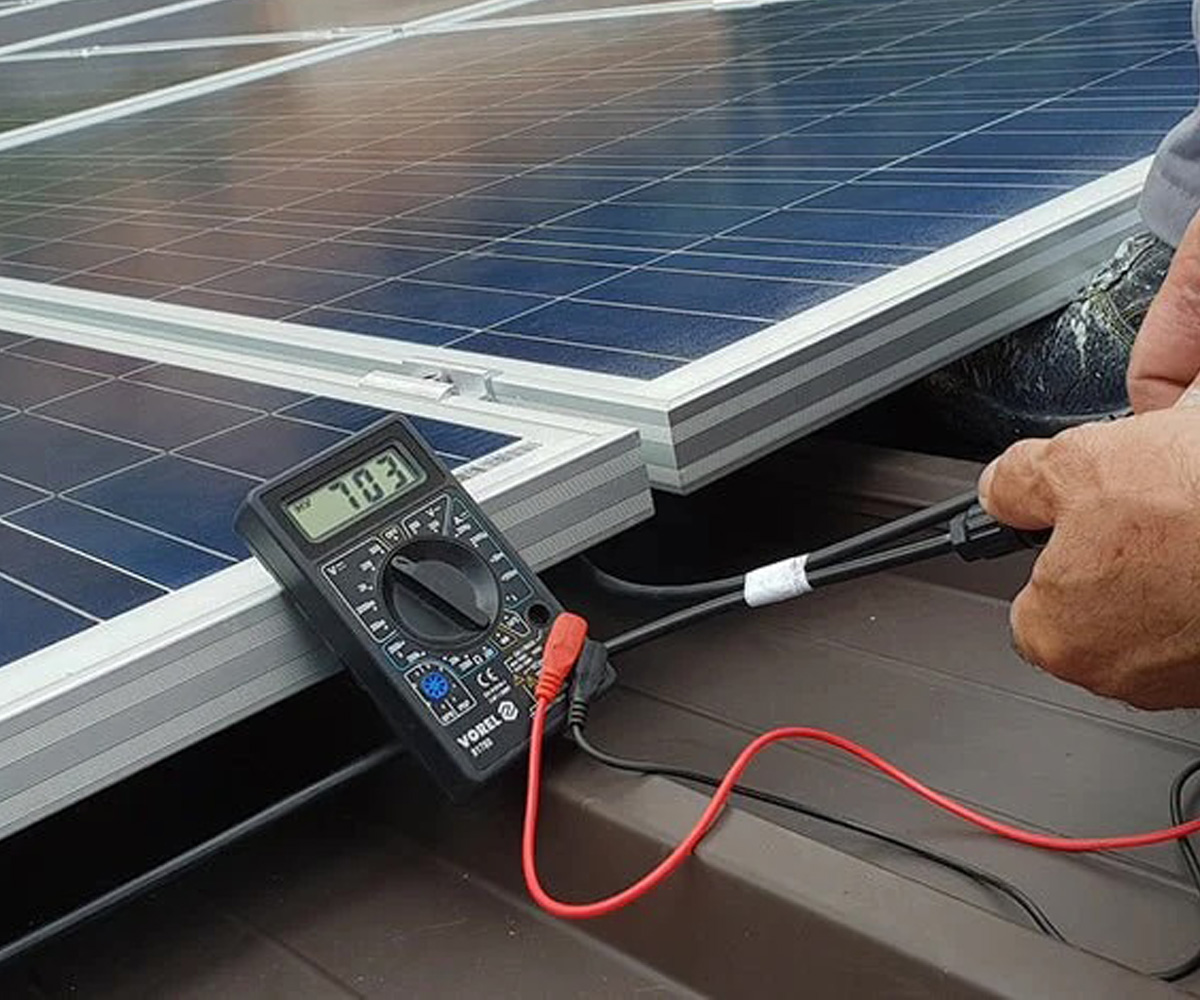
- Multimeter: For checking voltage and diagnosing issues with batteries, charge controllers, and wiring.
- Battery Cleaning Supplies: A mixture of baking soda and water for cleaning battery terminals.
- Solar Panel Cleaner: Non-abrasive cleaner designed for solar panels.
- Crimping Tools and Connectors: For fixing or replacing wiring and connections.
- Solar Panel Sealant: For sealing cracks or gaps in solar panels.
- Replacement Fuses: For replacing blown fuses in the charge controller or inverter.
When to Call a Professional:
- Complex Diagnoses: If you’re not sure what’s wrong with your solar system or are unable to diagnose the issue, it may be best to call a professional. Solar systems can be complex, and some issues (like faulty wiring or charge controller failure) may be hard to identify without specialized tools.
- Inverter or Electrical Issues: If you’re experiencing issues with your inverter, electrical components, or if you notice the system is overloading, it’s best to consult an RV solar repair expert.
- Battery Replacement: If the batteries are old and no longer holding a charge, or if you’re unsure how to dispose of old batteries properly, a professional can help with safe removal and replacement.
- Safety Concerns: If you’re uncomfortable working with electrical components, or if you’re not sure how to troubleshoot and repair the system safely, it’s always a good idea to contact a professional.
Proper maintenance and timely repairs of your RV solar system can help you extend the life of the system, maximize its energy production, and ensure a reliable power source for your RV. If you have any specific issues or questions about your RV solar system, feel free to ask!