RV Plumbing Repair
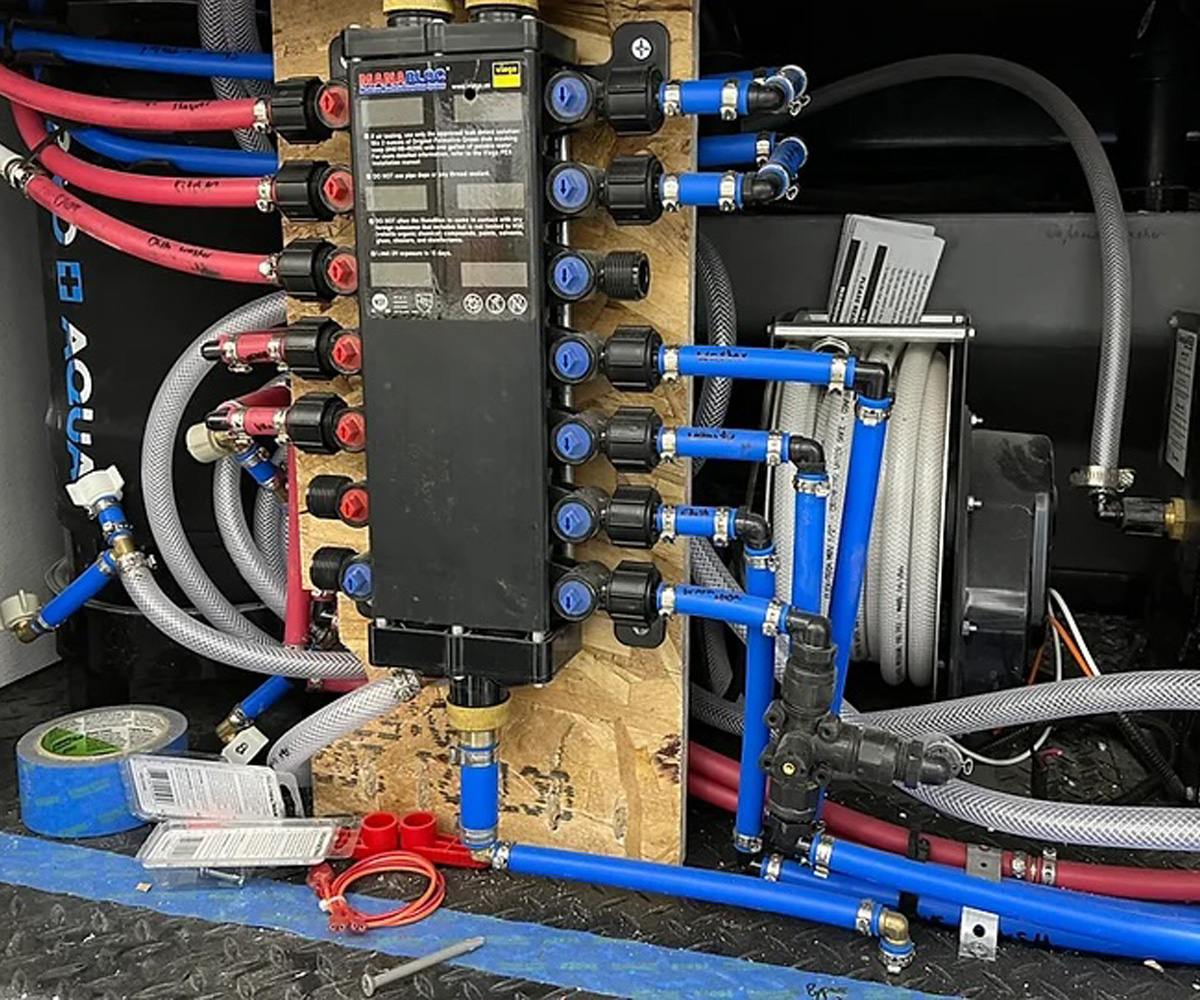
We provide mobile RV maintenance and repair of the water systems in a recreational vehicle (RV), including the fresh water system, wastewater system (gray and black water), and any related components like pipes, pumps, tanks, and fixtures. Proper plumbing repair is essential for ensuring that the RV’s water systems work efficiently and that you can enjoy basic amenities like showering, cooking, and using the restroom while on the road.
Common RV Plumbing Components:
- Freshwater System: Supplies clean water for drinking, cooking, bathing, and cleaning. It includes the freshwater tank, pump, and lines.
- Gray Water System: Carries wastewater from sinks, showers, and other drains (except toilets).
- Black Water System: Carries waste from the RV toilet to the black water holding tank.
- Water Heater: Heats water for showers, washing dishes, and other uses. It can be powered by electricity, propane, or both.
- Pipes and Hoses: The plumbing lines that carry water to and from the different systems.
- Faucets, Showers, and Toilets: Fixtures that allow you to use the water for everyday tasks.
- Water Pump: A pump that moves water from the freshwater tank to the fixtures when you’re not connected to city water.
Routine RV Plumbing Maintenance Tasks:
- Inspect and Clean Plumbing Lines: Regularly inspect your plumbing system for signs of leaks or wear. Clean the freshwater lines to prevent mineral build-up, and regularly flush your black and gray water tanks.
- Winterize Your Plumbing System: In cold weather, take steps to winterize your plumbing by draining the system and adding RV antifreeze to prevent pipes from freezing.
- Replace the Anode Rod: In water heaters, the anode rod prevents corrosion and mineral build-up. It should be checked annually and replaced when it’s worn down.
- Sanitize the Freshwater Tank: Use a bleach solution or RV tank cleaner to sanitize the freshwater system regularly, especially if the water has a bad taste or odor.
- Check for Leaks: Periodically check all faucets, hoses, and connections for leaks, and tighten or replace parts as necessary.
Common RV Plumbing Problems and Repairs:
- Possible Causes: Cracked, worn-out, or improperly connected pipes and hoses.
- Symptoms: Water pooling around fixtures, the smell of mildew or mold, or low water pressure.
- Repair Tip: Inspect all plumbing lines for visible damage or leaks. Tighten loose fittings, replace damaged hoses or pipes, and use appropriate sealants for connections. If you have PVC or PEX pipes, consider replacing them if they are cracked or leaking.
- Possible Causes: Clogged water filter, sediment build-up, faulty water pump, or partially closed valves.
- Symptoms: Weak flow of water from faucets and showerheads.
- Repair Tip: Check the water filter for clogs and replace it if necessary. Inspect the water pump to make sure it’s functioning properly and isn’t clogged with debris. Ensure all valves are fully open. You may also need to clean or replace faucet aerators and showerheads that may have clogged with mineral buildup.
- Possible Causes: Food waste, hair, soap scum, or other debris clogging sink, shower, or toilet drains.
- Symptoms: Slow draining, standing water in sinks or showers, or foul smells.
- Repair Tip: Use a plunger or plumbing snake to remove clogs. For sinks and showers, try using a drain cleaner safe for RV plumbing. Avoid using harsh chemicals that could damage pipes or seals. Regularly clean your drains with a mixture of vinegar and baking soda to prevent clogs.
- Possible Causes: Exposure to freezing temperatures, especially in cold weather climates.
- Symptoms: No water flow or visible cracks in the pipes.
- Repair Tip: If you live in a colder climate, winterize your RV plumbing to prevent freezing. Insulate pipes and tanks, and use heat tape to protect vulnerable areas. If pipes have already frozen, use a hairdryer or heat gun to gently thaw them (be careful not to overheat the pipes).
- Possible Causes: A worn-out or damaged pump, air in the water lines, or electrical issues.
- Symptoms: No water pressure, strange noises from the pump, or the pump running constantly.
- Repair Tip: Check the pump’s fuse and wiring for damage. If the pump is running constantly, check for leaks or air in the system. You may need to replace the pump if it’s malfunctioning beyond repair. Ensure that the water tank has enough water to prime the pump.
- Possible Causes: Issues with the electrical, propane, or anode rod, or buildup of sediment in the tank.
- Symptoms: No hot water, low water temperature, or strange odors.
- Repair Tip: Check the water heater’s power source (electricity or propane). Ensure the propane valve is open and the electric heating element is working. If you have sediment buildup, drain the water heater and flush it to remove debris. Also, inspect and replace the anode rod if necessary, as it protects the water heater from corrosion.
- Possible Causes: A clog in the waste lines, full tank, or faulty sensors.
- Symptoms: Wastewater backing up into the toilet or RV, tank sensor issues, or an unpleasant odor.
- Repair Tip: Use a black tank treatment to break down waste and prevent clogs. Make sure to empty the tank regularly, and always use the proper sewer hose and connections at dump stations. If the sensors are malfunctioning, check the wiring or replace the sensors if needed.
- Possible Causes: Leaky seals, stagnant water, or a venting issue.
- Symptoms: A foul odor coming from sinks, drains, or the toilet.
- Repair Tip: Check for leaks in the water and waste systems. If there’s a smell coming from the fresh water system, clean the water tanks and lines with a bleach solution. Also, check that the vent system is working properly to prevent gas or odor buildup. Regularly clean and sanitize the gray and black water tanks to avoid smells.
- Possible Causes: Clogs, damaged seals, or malfunctioning foot pedal or flushing mechanism.
- Symptoms: The toilet bowl doesn’t empty completely, or it drains slowly.
- Repair Tip: If the toilet is clogged, use a plunger or a special RV toilet auger. Clean the toilet’s foot pedal mechanism or flush valve if it’s not working properly. Replace seals or gaskets if they’re worn out or leaking. Ensure the waste valve opens and closes correctly.
- Plumbing Wrench: For tightening or loosening plumbing fittings.
- Plumbing Tape: Use Teflon tape to seal threaded connections and prevent leaks.
- Plumbing Snake or Auger: For clearing clogs in pipes or drains.
- Pipe Sealant: For sealing threaded connections on PVC or PEX pipes.
- Hydraulic or Manual Plunger: To clear clogged drains.
- RV-Specific Cleaner: For cleaning the fresh water system or holding tanks.
- Spare Parts: Such as O-rings, seals, faucet cartridges, and hoses.
When to Call a Professional:
- Severe Clogs or Blockages: If you have a serious clog in the waste system that a plunger can’t fix, you may need a professional plumber to clear it.
- Damaged Pipes: If your RV has cracked or broken pipes that require replacement, it’s best to consult a professional for the repair.
- Water Heater or Pump Issues: If your water heater or pump needs significant repair or replacement, a professional can diagnose and fix the problem.
- System-Wide Issues: If you’re dealing with multiple plumbing problems that you can’t diagnose, it’s best to call an RV technician who specializes in plumbing systems.
By performing regular maintenance and keeping an eye on potential plumbing issues, you can avoid expensive repairs and enjoy a fully functional RV plumbing system. Let us know if you need help troubleshooting a specific plumbing problem in your RV!
01
Mobile
Workshop
Save time and money. We bring our shop to you. Providing convenient and flexibly service.
02
Our
Guarantee
Our repair service will be delivered to you until you are 100% completely satisfaction.
03
Certified
Service
We are RV certified to inspect, service and maintain recreational vehicles.