Mobile RV Awning Repair
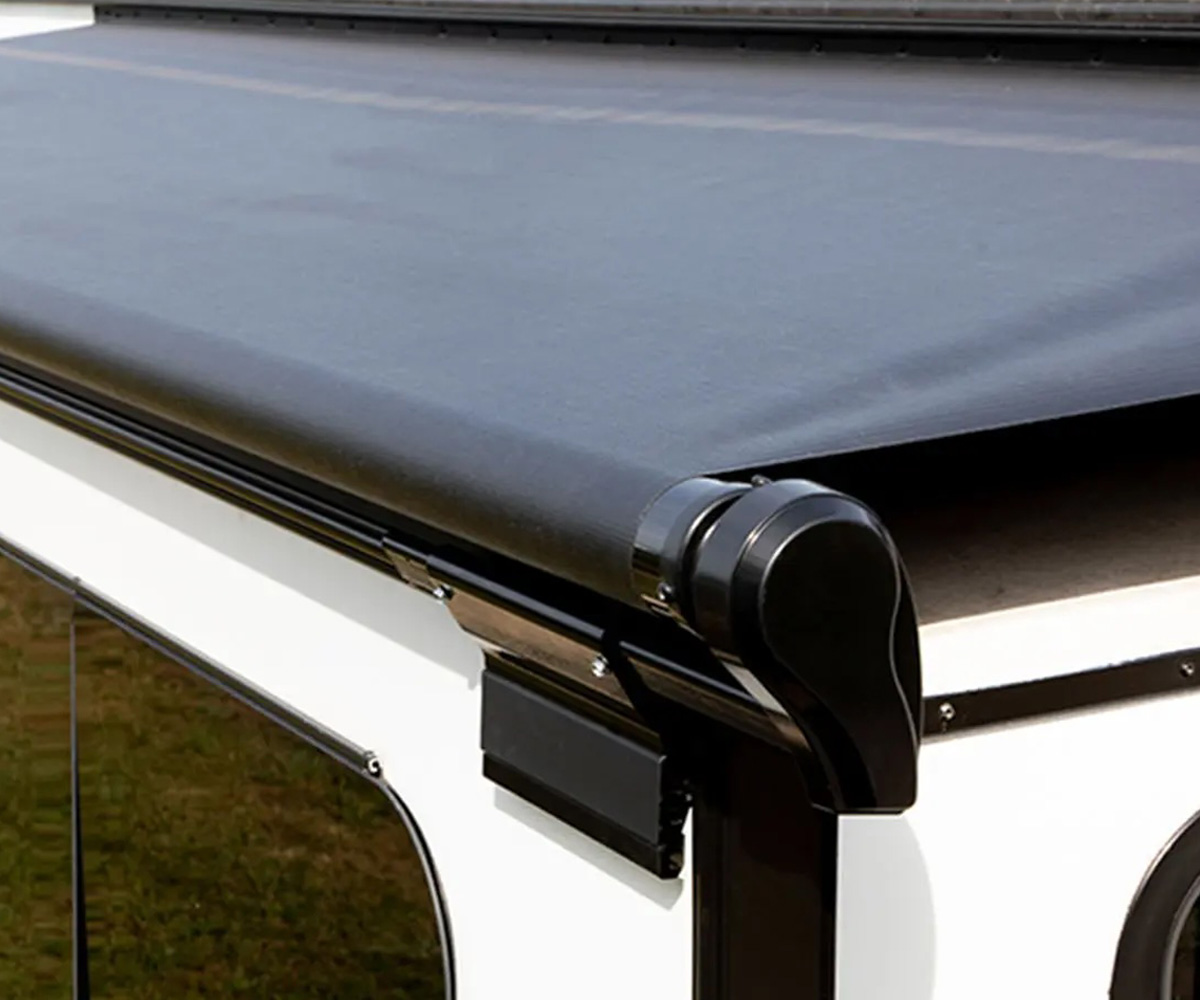
We provide mobile RV repair and maintenance of awnings on a recreational vehicle (RV). The awning is an important feature, providing shade and protection from the elements while camping or parked. Over time, RV awnings can experience wear and tear due to exposure to the weather, rough handling, or mechanical issues. Repairing or maintaining the awning ensures it remains functional and safe to use.
How to Prevent Awning Damage:
- Retract the Awning When Not in Use: Always retract the awning when you’re not at your RV or when the weather gets bad (wind, rain, snow, etc.) to avoid damage.
- Regular Inspections: Periodically inspect the awning for signs of wear, loose parts, and any issues with the fabric or frame.
- Use Wind Sensors (For Electric Awnings): Some electric awnings come with built-in wind sensors that automatically retract the awning when the wind reaches a certain speed. This can help prevent damage during a sudden gust.
- Cover the Awning: When storing your RV for long periods, consider covering the awning to protect it from sun, rain, and debris.
Common RV Awning Issues:
This can happen due to a motor failure (for electric awnings) or issues with the manual crank or locking mechanism (for manual awnings).
- Possible Causes: Motor or gearbox failure, broken springs, jammed components, or a stuck or misaligned awning.
- Repair Tip: Check for any visible obstructions or debris in the mechanism. For electric awnings, inspect the motor and wiring; for manual awnings, lubricate the crank mechanism and check for any damage to the arm or spring system.
The fabric of the awning can rip, fade, or tear over time due to sun exposure, wind, or improper handling.
- Possible Causes: UV damage, wind, or accidents that cause the fabric to tear.
- Repair Tip: Small tears can often be repaired with a patch kit specifically made for awning fabric. For larger rips or significant fading, the fabric may need to be replaced.
The support arms of the awning can get bent or damaged, making it difficult or impossible to set the awning up properly.
- Possible Causes: Strong winds, improper use, or accidents.
- Repair Tip: Inspect the arms and brackets for damage. Bent arms may be straightened by a professional, but broken components typically require replacement.
Over time, the tension on the awning fabric may loosen, causing it to sag or not fully extend.
- Possible Causes: Springs or tension systems losing their tension or becoming misaligned.
- Repair Tip: Some awnings have adjustable tension settings that you can tweak, while others may require professional adjustment or spring replacement.
Dirt, debris, or lack of lubrication can cause the awning mechanism to become jammed or difficult to operate.
- Possible Causes: Lack of maintenance, dirt buildup, or corrosion.
- Repair Tip: Clean the awning tracks, check for any visible obstructions, and lubricate moving parts. If the motor is jammed or malfunctioning, it may need to be replaced or repaired.
High winds can sometimes cause an awning to come loose or cause damage to the arms and supports.
- Possible Causes: Windstorms, improperly secured awning, or weak support arms.
- Repair Tip: When not in use, retract the awning fully to prevent wind damage. If the awning arms are damaged, they will need to be replaced.
- Awning Fabric Repair: You can patch small tears with fabric-specific repair tape or a patch kit designed for RV awnings. For a more substantial repair, fabric glue can be used to bond the torn sections, but this is often only a temporary fix.
- Re-tightening Tension: If your awning fabric is loose or sagging, check the tension spring system. Some awning systems allow for manual tension adjustments using a wrench, while others may need a professional to adjust the internal spring system.
- Cleaning: Regularly cleaning the fabric and tracks of the awning can help prevent dirt buildup and corrosion. Use a soft brush and mild soap to clean the fabric, and ensure the tracks and roller arms are free of debris.
- Lubrication: Apply a lubricant to the moving parts of your awning system, including the arms, roller tubes, and mechanical components. This will reduce friction and help keep everything operating smoothly.
When to Call a Professional:
- Broken Mechanisms: If the motor (for electric awnings) or the crank system (for manual awnings) is malfunctioning, it might require specialized tools or parts to repair.
- Spring or Tension Adjustments: The internal spring mechanism that controls the awning tension is delicate and can be dangerous to adjust without the right expertise. A professional can make the proper adjustments to ensure the awning is tensioned correctly.
- Fabric Replacement: If the awning fabric is too torn or worn to be patched, replacing it might be the best solution. A professional can help you choose the right material and ensure proper installation.
Proper maintenance and early intervention can extend the life of your RV awning, but if you’re ever unsure, it’s best to consult a professional for more serious repairs. Let us know if you need help with any specific awning issue.