
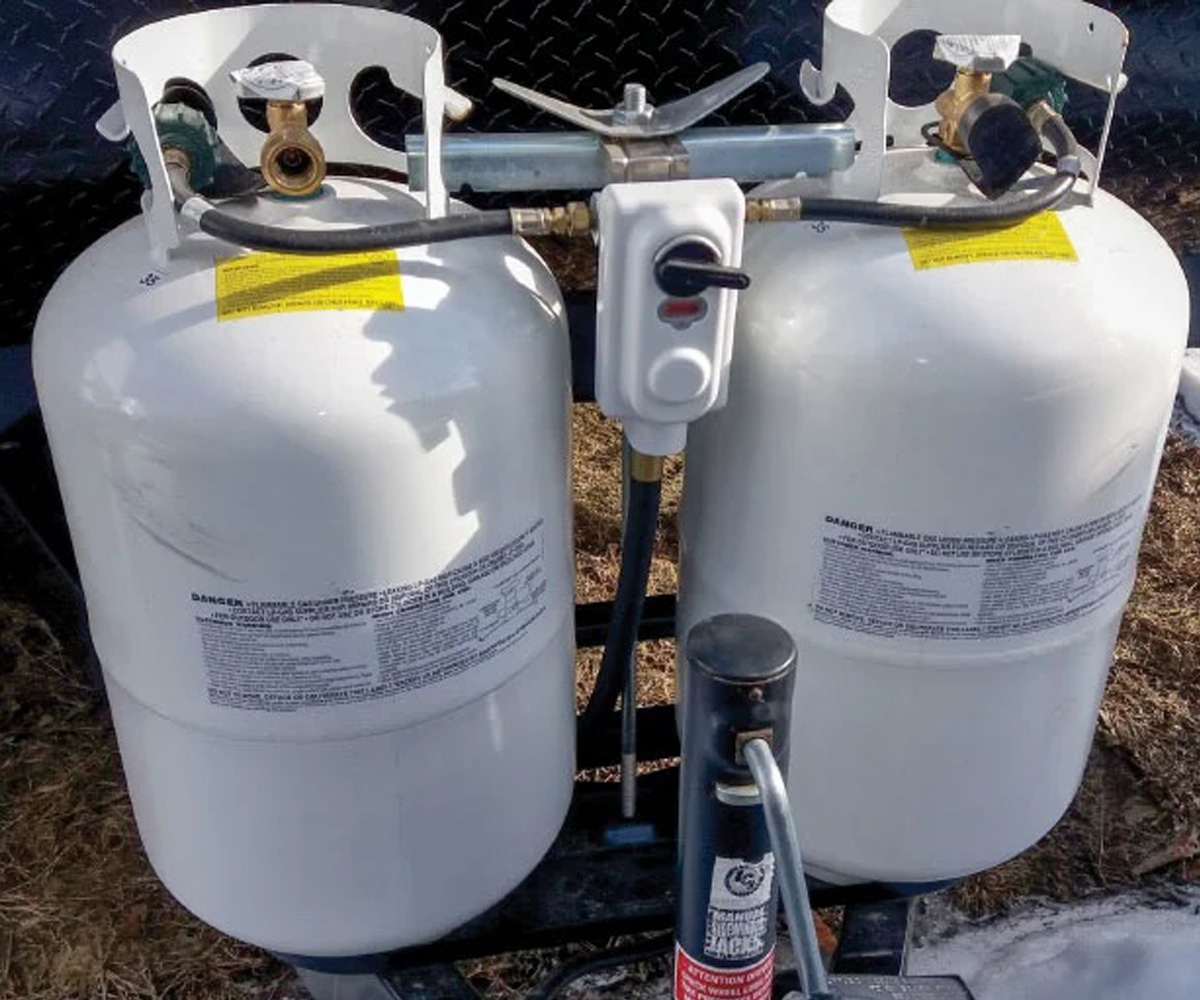
Essential Guide to Taking Care of Your Propane System: Maintenance and Safety Tips
Propane systems are widely used for heating, cooking, and powering appliances in homes, businesses, and recreational vehicles (RVs). While propane is a reliable and efficient energy source, proper care and maintenance of your propane system are vital to ensure safety, efficiency, and longevity. In this guide, we’ll cover essential tips on how to take care of your propane system so that you can enjoy uninterrupted service without unnecessary risks.
1. Regularly Inspect Your Propane Tank and Equipment
Propane systems involve several components, including tanks, regulators, hoses, and connections. Routine inspections are key to ensuring that everything is in good working condition.
What to check:
- Tank condition: Look for signs of rust, dents, or corrosion. A damaged tank can leak propane, which is dangerous. If you notice any issues, have the tank inspected or replaced.
- Valves and connections: Ensure that the valves, regulators, and fittings are in place and free of any damage. Tighten connections if needed, but never over-tighten.
- Hoses: Inspect the propane hoses for cracks, leaks, or wear. A hose that’s damaged or compromised should be replaced immediately.
- Regulator: The regulator controls the flow of propane from the tank to your appliances. It should not be exposed to extreme temperatures or direct sunlight.
Tip: If you smell gas around the propane system, immediately shut off the valve and contact a professional for inspection.
2. Check for Leaks: Always Use Soapy Water
A gas leak is a serious hazard, and propane is highly flammable. To detect leaks, use a simple method: soapy water.
How to check for leaks:
- Mix a small amount of dish soap with water and apply it to the hoses, connections, and tank valve.
- Open the valve slightly, and if you see bubbles forming, you have a leak.
- If you find a leak, turn off the propane supply immediately and call a technician to repair the issue.
Important Safety Reminder: Never use an open flame or matches to check for leaks.
3. Maintain Proper Ventilation
Proper ventilation is essential for any propane system, especially if it is used in an enclosed space like a kitchen, laundry room, or RV.
Why is ventilation important?
- Safety: Without ventilation, the build-up of propane gas can create a fire or explosion hazard.
- Efficiency: Ventilation helps ensure that appliances are burning propane efficiently, which reduces the risk of incomplete combustion, leading to dangerous carbon monoxide build-up.
What to do:
- Make sure there are vents or air circulations near your propane appliances.
- Never block ventilation ducts or intake areas, and ensure any exhaust systems are functioning properly.
4. Clean Your Propane Appliances Regularly
Regular cleaning of propane-powered appliances helps them work more efficiently and reduces wear and tear on the system. Appliances like gas stoves, water heaters, and outdoor grills should be cleaned periodically to avoid clogs and ensure proper operation.
How to clean appliances:
- Gas burners: Clean burner ports with a brush or compressed air to remove dirt and debris that could block the gas flow.
- Grills: Clean grill burners and check the propane tank for any signs of gas leakage or malfunction.
- Water heaters: Flush your propane water heater every six months to remove sediment buildup that could affect its performance.
5. Protect Your Propane Tank from Extreme Weather
Extreme weather conditions can have an impact on the performance of your propane system. Freezing temperatures and direct sunlight can damage propane tanks, regulators, and other components.
What you can do:
- Winter care: In freezing conditions, propane tanks can lose pressure, making it harder for the system to work. Ensure that your tank is properly insulated and protected from the cold. Using a tank heater or blanket can help maintain the right pressure.
- Sun protection: Prolonged exposure to the sun can overheat the propane tank, causing it to become pressurized and potentially hazardous. Store your tank in the shade or use a protective cover to prevent overheating.
6. Hire a Professional for Annual Inspections
While regular inspections and maintenance are essential, it’s also a good idea to have your propane system professionally inspected once a year. A licensed technician can thoroughly check your system for leaks, corrosion, and other potential issues that may not be visible to the untrained eye.
Why you need a professional:
- A technician can perform more comprehensive checks and tests to ensure your system is running safely and efficiently.
- Professionals can also ensure your system complies with any local codes or regulations, which may change over time.
7. Monitor Your Propane Usage
Keeping track of your propane consumption is crucial for avoiding running out of gas unexpectedly, especially during cold months. Use a propane gauge to monitor the level of propane in your tank, and order a refill when it reaches 20% or lower.
Tip: Some modern propane tanks come with smart monitoring systems that alert you when the tank is running low. Consider installing one for added convenience and peace of mind.
8. Know What to Do in an Emergency
In case of a propane emergency, knowing what to do can prevent injuries and damage to your property.
Steps to follow in case of a propane leak:
- Evacuate the area immediately and avoid using any electronic devices that could cause sparks.
- Shut off the propane supply at the tank’s main valve (if it is safe to do so).
- Contact emergency services or a licensed propane technician for assistance.
If you ever feel unsure about handling a propane system issue, don’t hesitate to call a professional for help. When in doubt, safety is always the priority.
Conclusion: Keep Your Propane System in Top Shape
Taking care of your propane system involves regular inspections, proper maintenance, and ensuring that your tank and appliances are in optimal working condition. By following these tips, you’ll reduce the risk of leaks, improve the efficiency of your system, and extend the life of your propane-powered appliances. Most importantly, you’ll ensure the safety of your home, family, and property.
Remember, if you ever have any doubts or concerns, a professional propane technician is always the best resource for addressing complex issues. Stay safe and enjoy the benefits of your propane system with peace of mind!